
When you buy or own property in California, you may assume you have exclusive rights to use every inch of your land. But that's not always the case. Easements—legal rights that allow others to use your property for a specific purpose—are one of the most common (and confusing) issues in California real estate law.
Understanding what an easement is, how it can affect your property rights, and how disputes are resolved is critical.
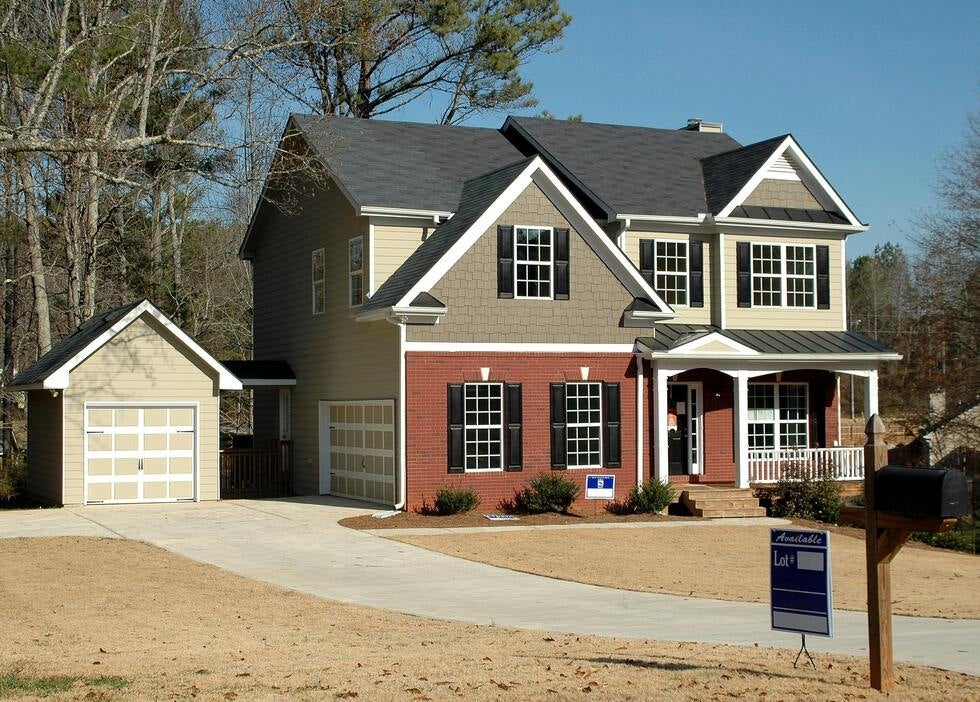
What Is an Easement?
An easement is a legal right to use another person's land for a limited purpose. Easements don't give ownership of the land; instead, they grant access or usage rights.
Examples include:
-
A neighbor's right to use your driveway to reach their garage.
-
A utility company's right to install and maintain power lines on your land.
-
A shared pathway giving multiple property owners access to the street.
Types of Easements in California
-
Express Easement
-
Created by a written agreement, deed, or recorded document.
-
Example: Granting a neighbor written permission to cross your property.
-
-
Implied Easement
-
Not written down, but arises from the circumstances.
-
Example: When a parcel is divided, and one lot has no road access except across another.
-
-
Prescriptive Easement
-
Created when someone openly, continuously, and adversely uses another's property for at least five years.
-
Similar to adverse possession, but grants only usage rights—not ownership.
-
-
Easement by Necessity
-
Arises when a property would be landlocked without it.
-
Example: A parcel with no street access requiring a roadway across the neighboring property.
-
Common Easement Disputes
Even with clear agreements, easements often lead to disputes. Some of the most frequent issues include:
-
Blocked Access: A property owner fences off or obstructs an easement.
-
Overuse or Misuse: A driveway easement intended for one vehicle becomes a commercial access point.
-
Unrecorded Easements: Owners discover an easement that wasn't disclosed during purchase.
-
Prescriptive Claims: A neighbor claims they gained rights after years of use.
-
Boundary Uncertainty: Confusion about where the easement begins and ends.
How Easement Disputes Are Resolved
-
Negotiation or Mediation
-
Many disputes can be resolved through direct negotiation or mediation, avoiding costly litigation.
-
-
Quiet Title Action
-
If the easement's validity is challenged, a property owner can file a quiet title lawsuit to confirm or eliminate the easement.
-
-
Injunctions
-
Courts may issue orders to stop misuse, such as preventing a neighbor from blocking or expanding the easement.
-
-
Compensation or Damages
-
If an easement causes financial harm (e.g., reduced property value), an owner may seek damages.
-
How Easements Affect Property Value
-
Positive Impact: Some easements, like utility easements, are standard and rarely affect market value.
-
Negative Impact: Others, like shared driveways or disputed prescriptive rights, can reduce desirability and complicate sales.
-
Disclosure Laws: In California, sellers must disclose known easements to buyers to avoid future lawsuits.
Protecting Your Property Rights
If you're dealing with an easement issue, here are practical steps:
-
Review Title Reports: Always check for recorded easements before purchasing property.
-
Document Use: If you allow a neighbor access, clarify whether it's temporary permission (a license) or a permanent easement.
-
Act Quickly: If someone is using your property without permission, don't wait. Prescriptive easements can form over time.
-
Consult a Real Estate Attorney: Legal advice is critical, especially if litigation may be necessary.
Final Thoughts
Easements are one of the most misunderstood aspects of property ownership in California. They can create conflict, reduce property value, and even lead to expensive lawsuits if not handled correctly.
Whether you are a homeowner trying to stop a neighbor from encroaching, or a property buyer facing unclear title reports, an experienced real estate attorney can protect your rights and guide you toward resolution.
At the Law Office of Steve Lopez, we help clients throughout Los Angeles and Southern California resolve easement disputes, file quiet title actions, and protect their property investments.
Comments
AIDA Reply
Posted Apr 03, 2026 at 18:53:11
Informative post
Thanks
Steve Lopez Reply
Posted Apr 24, 2026 at 16:55:39
Thank you
Leave a Comment